
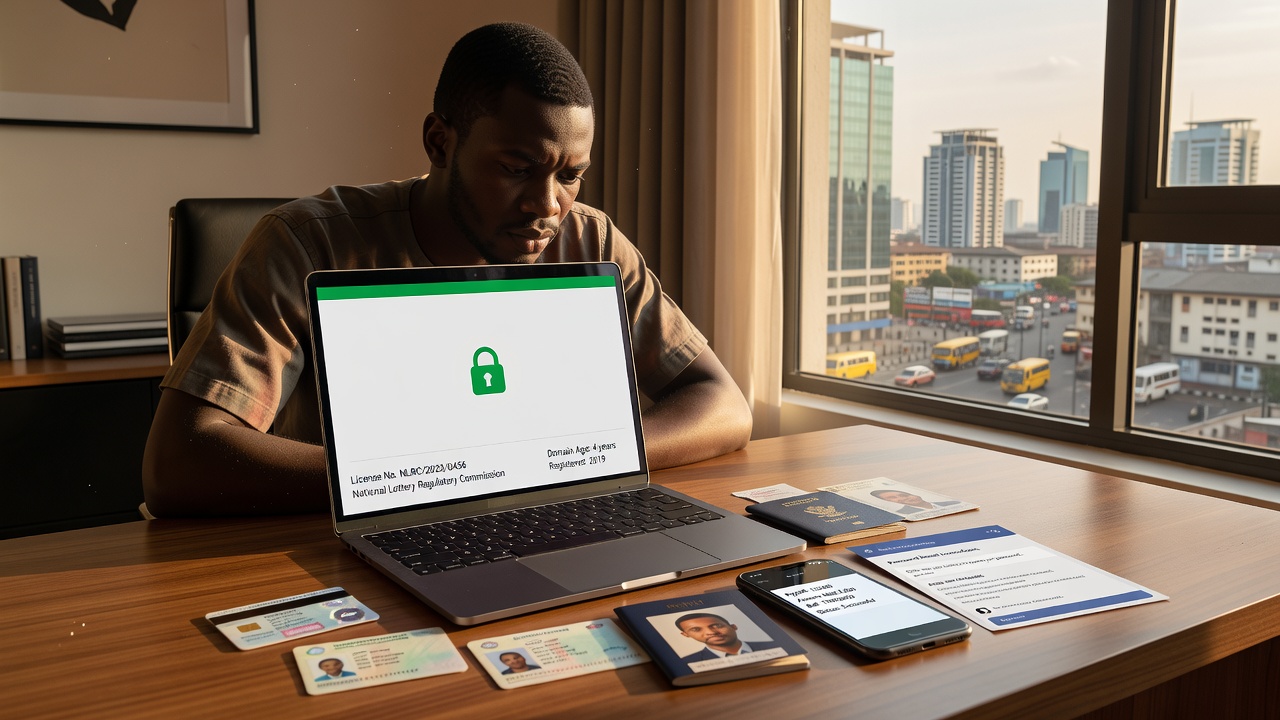
A Nigerian regulator's license number printed at the bottom of a homepage means nothing if the operator behind it disappears with customer withdrawals the following month. That single fact separates casual users from careful ones. Nigeria's online entertainment sector, spanning betting platforms, streaming services, and gaming sites, has grown fast enough to attract both credible operators and opportunists who exploit weak awareness of digital safety.
The confusion is understandable. New platforms launch weekly, each claiming licenses, bonuses, and instant payouts. Some deliver on those promises. Others vanish once deposits stop flowing back out. For instance, a platform like jackbit sports operates within a competitive market where trust signals such as licensing documentation, transparent fee structures, and responsive support teams matter far more than flashy homepage design. Knowing what separates a legitimate operator from a risky one requires more than a glance at the interface.
This guide walks through the practical mechanics that determine whether a platform deserves your money and personal data: verification procedures, fee structures on payment channels like paybill numbers, password recovery steps, and the customer support channels that reveal how seriously an operator treats its users. Each section addresses a specific, actionable concern rather than vague reassurances.
Understanding What "Legit" Means for Online Entertainment Platforms
Legitimacy isn't a single checkbox. It's a combination of regulatory compliance, financial transparency, and operational history that together answer the question every new user asks: is this online entertainment platform legit, or just well-designed?
Licensing and Regulatory Compliance in Nigeria
Nigerian gaming and betting operators are expected to hold licenses from recognized bodies such as the National Lottery Regulatory Commission or relevant state gaming boards, depending on where they operate. A license doesn't guarantee perfection, but its absence is a serious warning sign. Legitimate platforms display license numbers openly, usually in the footer, and these numbers can be cross-referenced against public regulatory registries.
Ownership Transparency and Corporate Information
Credible platforms disclose their parent company, registration jurisdiction, and physical or registered business address. Anonymous ownership structures, shell companies with no public record, or platforms that only list a generic contact form should raise questions. Transparency here isn't cosmetic; it determines who is legally accountable if disputes arise.
Track Record and User History
A platform that has operated for several years, processed thousands of withdrawals, and maintained a stable domain history carries more credibility than one that launched last month with aggressive bonus advertising. Longevity alone isn't proof of safety, but a short operational history combined with unusually generous promotions often signals higher risk.
How to Check if an Entertainment Website Is Legitimate
Verifying legitimacy is a research task, not a guessing game. Anyone can learn how to check if an entertainment website is legitimate by following a consistent set of checks before depositing any money.
Verifying License Numbers and Regulatory Status
Take the license number displayed on the site and search the issuing authority's public database directly, rather than trusting a badge image that could be copied from another site. If the number doesn't match, or the authority has no record of it, treat that as a disqualifying red flag.
Reading Independent Reviews and Community Feedback
Forums, social media groups, and independent review aggregators often surface patterns that official marketing hides, particularly complaints about delayed withdrawals or account suspensions without explanation. A single negative review means little; a consistent pattern across multiple independent sources means a great deal.
Examining Website Security Indicators
Basic technical signals matter: a valid SSL certificate (the padlock in the browser bar), a domain registered for more than a year, and clear terms of service that don't contradict themselves. Platforms lacking these basics rarely invest in the deeper security infrastructure needed to protect user funds and data.
- Confirm the license number against the regulator's official registry
- Search the platform name alongside terms like "withdrawal complaint" or "scam"
- Check domain age and SSL certificate validity
- Read the terms and conditions for contradictory or vague withdrawal rules
Are Online Entertainment Platforms Safe to Use in Nigeria?
The broader question, are online entertainment platforms safe to use in Nigeria, doesn't have a single yes-or-no answer. Safety depends heavily on which platform, how it's regulated, and how the individual user protects their own account.
Common Risks Nigerian Users Face
Phishing sites imitating popular platforms, fraudulent agents promising deposit bonuses through unofficial channels, and unregulated operators that freeze withdrawals are among the most reported risks. Mobile money fraud tied to fake customer service numbers has also become more common as betting and streaming adoption has grown.
How Secure Are Online Betting Platforms in Nigeria Specifically
How secure are online betting platforms in Nigeria varies by operator, but licensed platforms typically apply encryption for financial transactions, two-factor authentication options, and monitored withdrawal thresholds designed to flag suspicious activity. Unlicensed platforms frequently skip these protections entirely, since there's no regulator demanding compliance.
Practical Steps Users Can Take to Stay Protected
Using unique passwords, avoiding public Wi-Fi for transactions, and enabling any available two-factor authentication reduces exposure significantly. Users should also avoid clicking links sent via SMS or WhatsApp claiming to be from customer support, since these are common phishing vectors targeting Nigerian mobile users specifically.
Account Verification: How to Verify an Online Account Properly
Verification exists to protect both the platform and the user, even though it's often treated as an annoying hurdle. Knowing how to verify an online account correctly speeds up withdrawals and prevents account freezes later.
Documents Typically Required for Verification
Most platforms request a government-issued ID (National ID, driver's license, or international passport), proof of address, and sometimes a selfie holding the ID for facial matching. Betting platforms in particular require this to comply with age verification and anti-money-laundering regulations.
Common Verification Delays and How to Avoid Them
Blurry document photos, mismatched names between the ID and the registered account, and expired identification are the most frequent causes of rejected verification attempts. Submitting clear, well-lit scans and ensuring the registered name matches the ID exactly avoids most delays.
Why Verification Protects You, Not Just the Platform
Once verified, an account becomes harder for someone else to hijack and withdraw from, since most platforms lock withdrawal changes to verified identity details. Verification is, in effect, a security layer as much as a compliance requirement.
Fees and Payment Methods: What Users Should Know
Payment friction is where many users first notice something is wrong with a platform, usually through unexpected deductions or unclear charges.
Are There Fees for Using a Paybill Number
Are there fees for using a paybill number is one of the most frequent questions among Nigerian users moving funds through mobile money channels. In most cases, the platform itself doesn't charge an additional fee for paybill deposits, but the mobile network or banking partner facilitating the transaction might apply a small transaction charge depending on the amount and provider. Always check the confirmation SMS or receipt for the exact breakdown rather than assuming the displayed deposit amount is the final cost.
Deposit and Withdrawal Charges Across Different Channels
Bank transfers, card payments, and mobile money each carry different cost structures. Card payments sometimes incur currency conversion fees if the platform processes transactions in a different currency, while bank transfers are often fee-free but slower to reflect.
Spotting Hidden or Unusual Fees
Legitimate platforms disclose fee structures in their payment or FAQ pages before a transaction is confirmed. Any charge that appears only after the money has left the account, without prior disclosure, is a strong indicator of poor practice or outright deception.
Password Recovery and Account Security
Forgetting login credentials happens to nearly everyone eventually, and how a platform handles recovery says a lot about its security design.
What Should I Do If I Forget My Account Password
What should I do if I forget my account password is usually answered through a "Forgot Password" link on the login page, which triggers a reset email or SMS code sent to the registered contact details. Never share this code with anyone claiming to be support staff, since legitimate platforms never ask for reset codes over the phone.
How to Reset an Entertainment Account Password Step by Step
How to reset an entertainment account password typically follows a consistent sequence: click the reset link, confirm identity through email or SMS verification, then set a new password that meets the platform's complexity requirements. Completing this on a private, secure connection rather than shared public Wi-Fi reduces the risk of interception.
Best Practices for Creating Stronger Passwords
Combining uppercase and lowercase letters, numbers, and symbols in a password unrelated to personal information (birthdays, names) makes accounts significantly harder to breach. Reusing the same password across betting, banking, and email accounts is one of the most common mistakes that turns a single breach into several.
Customer Support: Getting Help When You Need It
Support responsiveness often becomes the clearest, fastest way to judge whether an operator treats its users as long-term customers or short-term transactions.
How to Contact Customer Support Through Official Channels
How to contact customer support usually starts with checking the platform's official website for live chat, phone lines, or dedicated support pages rather than searching for contact details through third-party sites, which can lead to fake numbers. Live chat tends to offer the fastest response for urgent account or payment issues.
How to Contact Support by Email for Complex Issues
How to contact support by email is typically the better route for issues requiring documentation, such as disputed withdrawals or verification rejections, since email creates a written record that can be referenced later. Always use the email address listed on the platform's official domain, and be wary of addresses using free email services claiming to represent the company.
Response Time Expectations and Escalation Options
Reputable platforms generally respond to live chat within minutes and email within 24 to 48 hours. If a platform consistently fails to respond across multiple channels, escalating through the relevant gaming regulator's complaint system is a legitimate next step.
Frequently Asked Questions
Can I trust a platform just because it has a professional-looking website?
No. Design quality has no correlation with regulatory compliance or financial reliability. Scammers frequently invest heavily in visual polish precisely because it builds false confidence quickly.
What's the fastest way to confirm a platform is properly licensed?
Search the license number directly on the regulator's official website rather than trusting the badge displayed on the platform itself. If the license can't be independently verified within a few minutes, treat that as a warning sign.
Is it normal for verification to take several days?
Standard verification usually completes within 24 to 72 hours if documents are clear and accurate. Extended delays beyond that, especially without explanation, often indicate either high query volume or an operator stalling withdrawal requests.
Should I be worried if a platform only accepts payments through paybill numbers?
Not necessarily, since paybill payments are common and generally secure in Nigeria. The concern arises only if the platform refuses alternative payment methods entirely or if fees aren't disclosed clearly before the transaction.
What's the safest way to reset a password if I no longer have access to my registered email?
Contact customer support directly through official channels and be prepared to verify identity using account details, transaction history, or the original registration documents. Platforms rarely allow password resets without some form of identity confirmation, precisely to prevent account theft.
How can I tell if a customer support agent is genuine and not a scammer?
Genuine agents never ask for full passwords, OTP codes, or reset links over chat or phone. If an agent requests these directly, end the conversation and contact support again through the platform's verified official channel.